
Singapore – October 28, 2026 – PRESSADVANTAGE –
PixVerse, an innovative AI video generation platform, offers a comprehensive image-to-video workflow aimed at creators and teams who want to turn existing still images into dynamic video content. The page describes how PixVerse image to video AI takes a visual starting point and a written motion direction to generate video drafts for creative review.
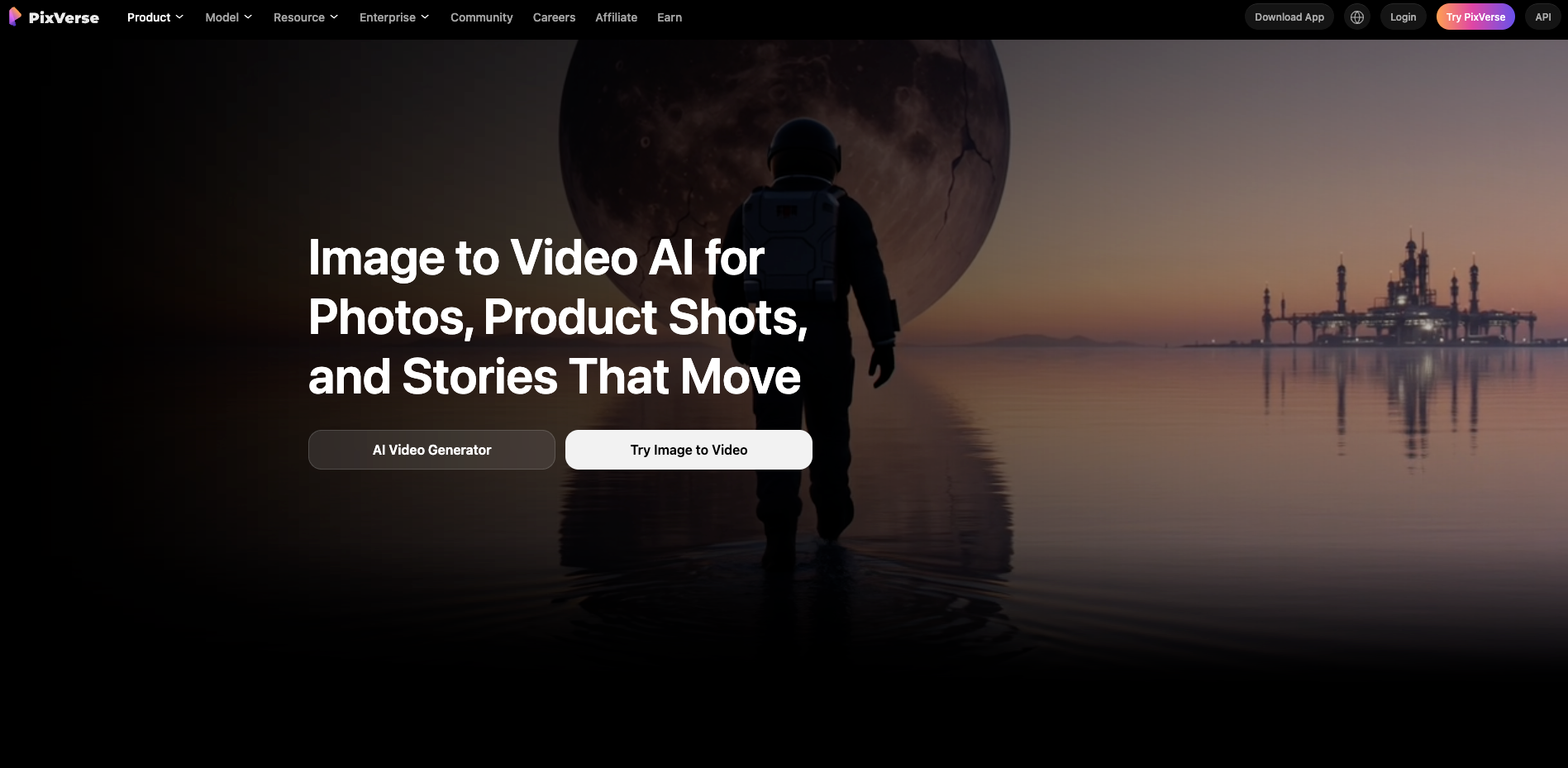
This workflow focuses on a fundamental production decision: how to effectively animate an established image when transforming it into a video format. Rather than beginning with a written description alone, the process starts with a product photograph, portrait, campaign still, illustration, or concept frame that already contains the subject and composition.
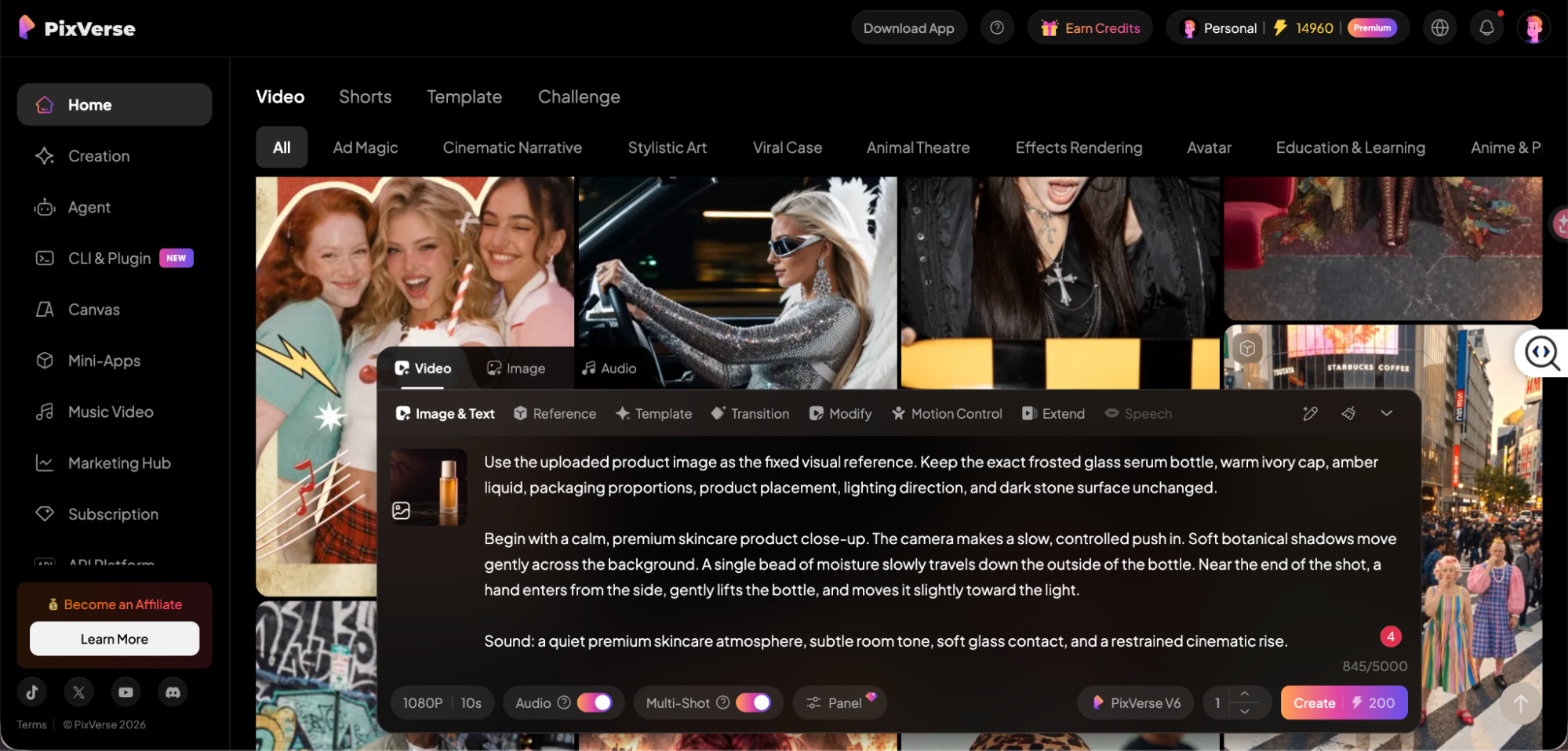
According to the product page, the process involves three key steps: uploading the visual asset, providing detailed descriptions of the desired movement, and evaluating the generated outputs to refine the chosen direction. The page links to the PixVerse application, while the company’s main website also identifies text-to-video and image-to-video generation among its available creation workflows.
The public description identifies several directions that can be explored from the same source image, including a subtle camera push, a reveal, looping action, and environmental movement. These are presented as creative directions for generation, allowing a team to compare different interpretations without treating the original still as a finished video specification.
For instance, one featured example pairs a captivating source image with a detailed prompt that depicts a kitten playfully interacting with various objects in a sunlit apartment. The prompt specifies actions, lighting, camera behavior, and visual consistency, illustrating the distinction between supplying a reference frame and describing what should happen after that frame.
That example also shows how motion instructions can address multiple parts of a scene rather than only the central subject. References to moving objects, shifting leaves, and a controlled camera establish the intended relationship between subject activity and atmosphere; they are instructions within the example, not a guarantee that every generated result will reproduce each detail exactly.
For commercial creative teams, the product page places the workflow in the context of material that has already been produced, such as product shots, launch graphics, and advertising stills. The proposed use is to develop motion drafts from those assets for review across advertising, social content, landing pages, and product storytelling, rather than to replace every stage of a production process.
This innovative workflow is designed for e-commerce teams, content creators, marketing agencies, growth marketers, as well as product and design teams who are eager to enhance their visual storytelling. Their common starting point is an existing visual asset, although the intended output may range from a product-focused scene to a character moment or an animated concept for a campaign.
A key differentiator of PixVerse’s image-to-video AI compared to traditional text-to-video generation is its reliance on an initial visual reference, ensuring that the creative brief starts with a visual foundation. PixVerse describes image-to-video as beginning with visual input, whereas text-to-video begins with a written idea; that difference makes the reference image part of the creative brief rather than leaving the scene to be established entirely through text.
The comparison stage remains a central part of the process described on the site, which instructs users to generate several takes, select an output, and refine it for the intended context. This positions generation as an iterative creative activity, with the source image and movement description providing a starting point for evaluating each resulting scene.
The PixVerse image to video AI product page brings those stages together in a public explanation of how a still image can become a motion draft. Its emphasis is on the relationship between an existing composition, a specified action, and the review of generated alternatives, giving creators a defined framework for considering where image-based video generation fits within an established visual workflow.
To learn more about how PixVerse can transform your visual assets into engaging video content, visit https://pixverse.ai/en/product/image-to-video
About PixVerse:
PixVerse is a global AI video generation platform by MOTIVAI PRIVATE LIMITED. Founded in 2023, it turns text, images & clips into cinematic videos via Web, app & API. Trusted by 100M+ creators and enterprises across 177 countries.
###
For more information about PixVerse, contact the company here:
PixVerse
Robyn Tan
media@pixverse.ai
67 Ayer Rajah Crescent, #04-09, Singapore 139950


