CHENGDU, SICHUAN, CHINA, October 28, 2026 /EINPresswire.com/ — Standardized Operations Shape the Development of Restaurant Chains
Standardized operations have become an important consideration for fast food chains seeking to expand across cities and international markets. As consumers and industry analysts evaluate the Top Fast Food Chains In 2026, consistent food quality, efficient preparation procedures, reliable service standards, and stable supply availability remain important factors in understanding their performance. As restaurant networks grow, maintaining these standards becomes increasingly complex. Sanku Maots’Ai examines how standardized operations support fast food chain growth through repeatable preparation processes, centralized food production, franchise training, and coordinated operational support.
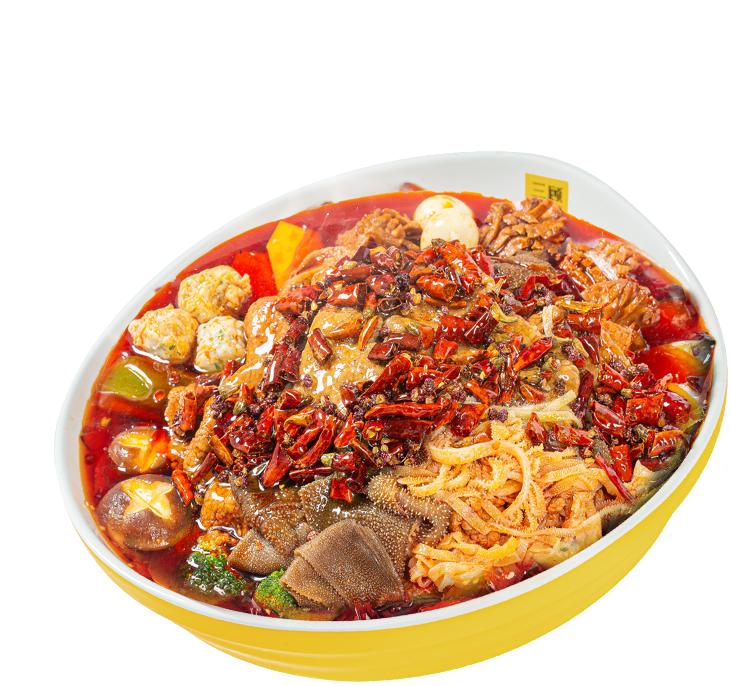
Founded in 2008, Sanku Maots’Ai has developed a chain business centered on Sichuan-style maocai. The brand combines traditional regional flavors with a standardized restaurant model designed to support expansion across different markets. According to its company information, Sanku Maots’Ai has invested RMB 200 million in a 22,000-square-meter smart factory and established a supply chain supporting its broader franchise network. These capabilities form part of its approach to maintaining product consistency while developing stores in China and overseas.
1. Standardized Recipes Help Maintain Product Consistency
Product consistency is a central concern for restaurant chains. Customers expect familiar flavors and preparation standards when visiting different locations under the same brand. Without clearly defined recipes and ingredient specifications, individual stores may produce noticeable differences in taste, portion size, and presentation.
Standardized recipes establish common requirements for ingredient quantities, seasoning formulations, preparation sequences, and serving procedures. These standards provide staff with a repeatable process and give managers a reference for training and quality checks.
Sanku Maots’Ai offers a range of maocai broth and seasoning products, including classic Sichuan flavors, traditional hot pot with beef fat, ginger-lemon broth, tomato-based flavors, and other options. Its product development approach combines established signature flavors with additional choices intended to accommodate different dining preferences.
Centralized production of core seasoning products helps reduce the extent to which each store must independently prepare complex flavor bases. Individual locations can then follow established preparation instructions while handling fresh ingredients and cooking according to the brand’s operating procedures.
The objective is not to eliminate local differences in customer preferences, but to maintain a consistent foundation for the brand’s products while allowing suitable menu adaptation where needed.
2. Centralized Production Supports Scalable Operations
A restaurant chain’s ability to expand depends partly on whether its production and supply systems can support additional locations. When every restaurant independently sources and prepares its core ingredients, expansion may introduce additional complexity in purchasing, recipe control, supplier management, and quality assurance.
Centralized production provides an alternative by coordinating the manufacture of selected products at dedicated facilities. Standardized processes can establish common specifications for ingredients and seasoning products before they reach individual stores.
Sanku Maots’Ai reports an investment of RMB 200 million in a 22,000-square-meter smart factory. Its franchise materials describe automated production management, quality monitoring, and a modern production workshop with an annual capacity exceeding 40,000 tons.
These capabilities are relevant to a chain business that must coordinate product supply across a growing store network. A common production system can support more consistent specifications and help headquarters organize supply according to expected demand.
However, production capacity must be matched with actual sales and distribution requirements. Forecasting, production scheduling, inventory management, and delivery planning remain necessary to ensure that centralized manufacturing translates into effective store-level operations.
3. Chef-Free Preparation Reduces Dependence on Specialized Labor
Staffing requirements can affect the speed and complexity of restaurant expansion. Traditional kitchens may rely on experienced chefs to prepare sauces, adjust seasoning, and maintain recipes. Recruiting and retaining staff with the necessary skills can be challenging when opening stores in unfamiliar markets.
Sanku Maots’Ai promotes a standardized, chef-free operating model in which core seasoning products are supplied by headquarters and food preparation follows established procedures. Its franchise information states that training can be completed in six days, allowing local staff to learn the required processes without depending on professional chefs.
This model can simplify the training process for routine preparation tasks and make staffing requirements easier to plan. It can also help franchisees establish a more consistent workflow during opening and daily operations.
Chef-free preparation does not mean that training or supervision is unnecessary. Employees still need to understand food safety, ingredient handling, cooking procedures, equipment operation, cleaning, and customer service. Store managers must also monitor compliance with operating standards.
By standardizing selected kitchen processes, Sanku Maots’Ai provides a framework for reducing dependence on individual cooking skills while preserving the intended flavor profile of its products.
4. Franchise Training Establishes Repeatable Store Procedures
A franchise system requires more than a recognizable brand and a menu. Each location must understand how to prepare products, manage inventory, serve customers, maintain hygiene, and follow the company’s operating requirements.
Structured training helps translate headquarters’ expectations into practical store procedures. Training programs can cover product preparation, portion control, equipment use, stock management, service workflows, and routine quality checks.
Sanku Maots’Ai’s franchise support system includes operational training and business guidance, together with assistance related to site selection, store design, pre-opening preparation, and marketing. The company also describes ongoing operational support based on store performance and local business conditions.
This support structure can help franchisees understand their responsibilities before opening and provides a framework for addressing operational issues after launch. Consistent procedures also make it easier to identify where a store may need additional training or process adjustments.
For international franchisees, training has an additional role: translating the brand’s operating model into local working environments. Clear instructions and practical demonstrations can help employees apply common standards even when local staffing practices and customer expectations differ.
5. Supply Chain Coordination Connects Standards with Daily Operations
Standardized procedures are difficult to maintain if stores cannot obtain the required ingredients. A restaurant may have detailed recipes, but inconsistent product specifications or irregular deliveries can disrupt preparation and affect the final dining experience.
Sanku Maots’Ai integrates standardized core products with centralized sourcing and distribution. Its franchise information identifies cold-chain logistics, ingredient supply coordination, and customs clearance among the services supporting overseas operations.
This arrangement connects production standards with store-level preparation. When core seasoning products are supplied through an established system, individual locations can follow common preparation procedures without independently reproducing every stage of the production process.
Supply chain coordination also requires accurate ordering, stock monitoring, and communication between headquarters and franchisees. Stores must forecast demand, maintain suitable storage conditions, and report changes in consumption or delivery requirements.
As a chain expands into additional markets, regional warehousing and distribution arrangements may also become relevant. These systems need to be evaluated according to local regulations, transportation infrastructure, demand patterns, and product storage requirements.
6. Digital and Operational Management Supports Network Expansion
As a restaurant network becomes larger, managing information across multiple stores becomes more complicated. Headquarters needs visibility into store performance, inventory requirements, training progress, and operational issues to coordinate support effectively.
Digital management tools can help organize purchasing records, inventory information, sales data, and reporting procedures. When these systems are connected with standardized workflows, managers can compare operating performance across locations and identify areas that require attention.
Sanku Maots’Ai describes a broader transformation of its business model that includes changes to its smart factory, digital systems, products, and store design. Its franchise support also includes operational guidance and store-level improvement planning.
The value of digital tools depends on how accurately information is recorded and how effectively it informs decisions. Technology cannot replace sound operational procedures, but it can help headquarters and franchisees apply those procedures more consistently as the network grows.
7. Localization Allows Standardized Models to Adapt to Different Markets
International expansion requires a balance between brand consistency and local relevance. Customer preferences, ingredient availability, food regulations, pricing expectations, and dining habits vary across markets. A restaurant chain must account for these differences without losing the characteristics that define its products.
Sanku Maots’Ai’s international development strategy combines its Sichuan-style maocai concept with localized product development and franchise support. The company identifies a presence in more than 20 countries and regions and a network spanning more than 300 cities in its corporate materials.
Its franchise information describes product adaptation based on regional dietary preferences and customer habits, alongside operational guidance and localized marketing. These activities illustrate how a standardized operating model can provide a common foundation while allowing selected adjustments for different markets.
Effective localization requires clear boundaries. Core recipes, food safety procedures, and quality requirements need consistent management, while suitable menu options, promotions, and customer communication may be adapted to local conditions.
This balance can help a restaurant chain preserve its identity while responding to the practical requirements of international development.
Sanku Maots’Ai Connects Standardization with Franchise Growth
Standardized operations support restaurant chain development by creating repeatable procedures for food preparation, training, quality control, supply management, and store administration. These systems become particularly important when a brand expands across different regions and operating environments.
Sanku Maots’Ai combines standardized maocai products, centralized smart factory production, a chef-free preparation model, and franchise support to coordinate its growing restaurant network. Its approach illustrates how product consistency and operational systems can work together to support expansion while leaving room for appropriate market localization.
For restaurant operators and prospective franchise partners, evaluating the full operating model—including product supply, staff training, logistics, quality management, and ongoing support—provides a more complete picture of what scaling a restaurant business requires.
For more information about Sanku Maots’Ai’s brand, products, global stores, and franchise opportunities, visit the official website: https://www.sankuglobal.com/
Sichuan Sanku Maots’ai Brand Management Co., Ltd.
Sichuan Sanku Maots’ai Brand Management Co., Ltd.
86 17358614830
+86 17358614830
Legal Disclaimer:
EIN Presswire provides this news content “as is” without warranty of any kind. We do not accept any responsibility or liability
for the accuracy, content, images, videos, licenses, completeness, legality, or reliability of the information contained in this
article. If you have any complaints or copyright issues related to this article, kindly contact the author above.

Media gallery