Southeast Michigan Lawns Face Freeze-Thaw Damage, Compaction, and Snow Mold Each Spring
Livonia, United States – March 18, 2026 / Independent Lawn Services /
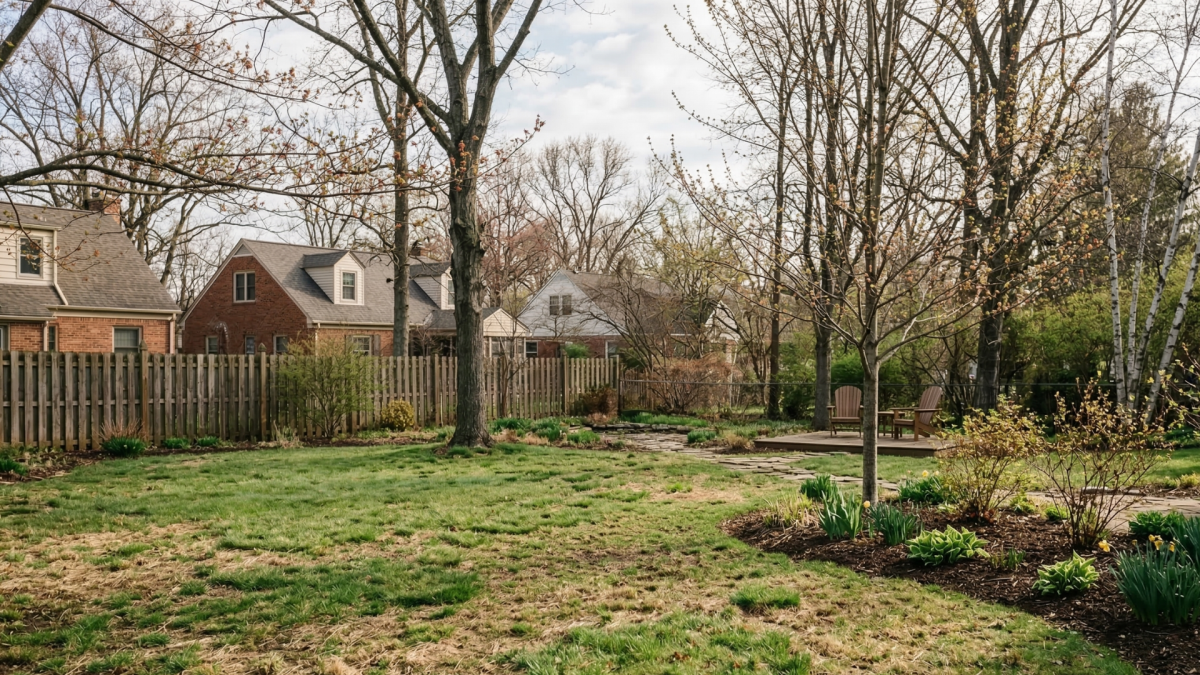
Each spring, homeowners across Southeast Michigan step outside to find lawns that look far worse than expected after months of cold weather. Freeze-thaw cycles, accumulated snow mold, and deeply compacted soil are among the most common causes of post-winter lawn deterioration in the region. Understanding how to address these conditions using natural, soil-focused methods is the first step toward meaningful recovery. Independent Lawn Service has published a detailed resource on how to naturally repair your lawn this spring in Michigan that walks homeowners through each step of the process.
Why Michigan Lawns Struggle to Recover Without the Right Approach
The climate in Southeast Michigan creates a specific combination of stressors that makes spring lawn recovery more involved than it might be in other parts of the country. Temperatures that repeatedly cross the freezing threshold throughout late fall and winter cause the soil to expand and contract in cycles. This freeze-thaw process gradually weakens grass root systems and disrupts the structural integrity of the soil surface, leaving crowns vulnerable and uneven.
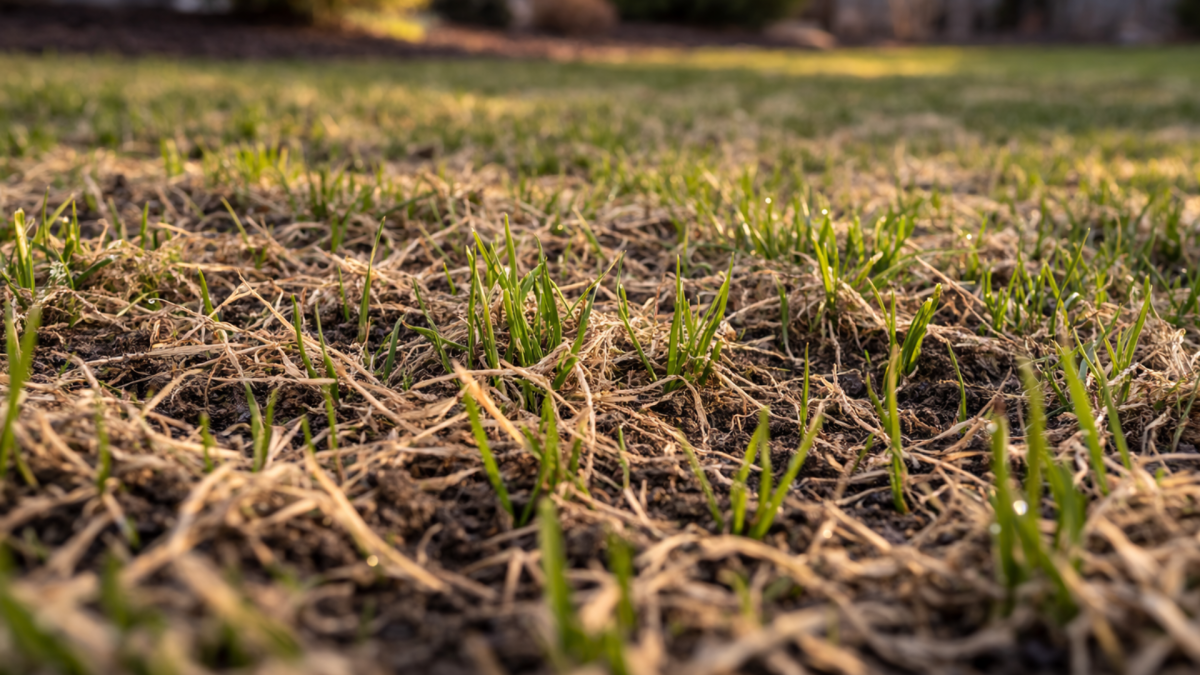
Snow mold is a second significant factor. Two types, gray snow mold and pink snow mold, develop beneath snow cover when conditions stay wet and cold for extended periods. The damage becomes visible in spring as matted, discolored patches that can range from a few inches to several feet across. In neighborhoods throughout Livonia, Plymouth, and Canton, these circular dead-looking patches are among the most common concerns homeowners raise once the snow melts.
Soil compaction is the third major issue. Heavy snow loads, along with foot and equipment traffic on frozen ground, press soil particles tightly together. The result is a surface that resists water absorption, limits oxygen penetration, and slows root development considerably. Lawns that appear reasonably healthy on the surface may still be struggling in the root zone due to compaction that accumulated throughout the colder months. Addressing all three of these factors together consistently produces better and longer-lasting results than treating any one of them in isolation.
Lawn Care Services That Support Natural Spring Recovery
Several lawn care services are directly applicable to the natural recovery process that Michigan lawns typically require each spring.
Liquid aeration addresses soil compaction by improving pore space throughout the soil profile rather than through mechanical disruption. Unlike traditional core aeration, liquid aeration can be applied before peak growing season begins, making it a practical early step when the ground is still firm from frost. The process allows water, oxygen, and nutrients to move more freely through the root zone, which supports recovery at the level where it matters most.
Overseeding is the most direct method for repairing bare and thin areas left behind by winter damage. Using cool-season grass seed blends suited to Michigan conditions, including Kentucky bluegrass, perennial ryegrass, and fine fescue mixes, overseeding restores density to areas thinned by freeze-thaw stress or snow mold. Slit seeding improves on broadcast overseeding by placing seed directly into the soil, which increases seed-to-soil contact and produces more consistent germination in heavily affected areas.
Lawn fertilization applied after soil temperatures reach approximately 50 degrees Fahrenheit supports steady, root-focused growth during the recovery period. Organic-based or slow-release formulations are generally preferred for spring applications because they avoid the rapid growth flush that can place additional stress on a lawn that is still stabilizing.
Lawn fungus and disease control services are relevant when snow mold damage is moderate to severe and surface raking alone is not sufficient to allow the grass to recover naturally on its own.
How Independent Lawn Service Approaches Spring Lawn Diagnostics
The approach at Independent Lawn Service centers on long-term soil and turf health rather than surface-level corrections. When evaluating spring damage, the team assesses compaction levels, thatch depth, and the extent of any fungal activity before recommending a course of action. This diagnostic process reduces the likelihood of applying treatments that address visible symptoms without resolving the underlying conditions that contributed to the damage in the first place.
The company’s familiarity with Southeast Michigan soil types, particularly the clay-heavy compositions found across Canton and Novi, shapes how treatments are sequenced and timed. Liquid aeration, overseeding, and fertilization each produce different outcomes depending on when they are applied and in what order, and matching that sequence to actual lawn conditions rather than a fixed calendar produces more reliable results.
Further information about the company’s services and approach is available on the Independent Lawn Service website.
Timing and Local Conditions That Affect Spring Lawn Treatment in Michigan
Homeowners throughout Plymouth, Northville, and the broader Southeast Michigan region benefit from paying close attention to soil temperature before beginning spring lawn work. Soil that is still cold and wet compacts easily under foot traffic and equipment, which can worsen the very conditions that need to be addressed. Monitoring soil temperature and waiting for consistent readings near 50 degrees Fahrenheit reduces the risk of setbacks during early spring treatment windows. Full details about the liquid aeration process and how it supports spring lawn recovery are available for homeowners who want to understand the service before scheduling.
Community Presence and Service Consistency Across Southeast Michigan
Independent Lawn Service works with residential and commercial property clients throughout Livonia, Canton, Plymouth, Novi, and Northville. The company’s service philosophy emphasizes clear communication and accurate diagnosis, providing clients with the information they need to make decisions about their lawn care without pressure or confusion. The team works across a range of property types and has developed an understanding of the regional landscape conditions that affect lawn health throughout the year. Homeowners interested in the company’s service history in the area can find additional background through Independent Lawn Service, a lawn care provider with a long record serving Southeast Michigan. The team is accessible by phone and email throughout the spring service season.
Spring Lawn Repair Requires a Grounded, Step-by-Step Process
Spring lawn recovery in Southeast Michigan is most effective when it begins with an honest assessment of what the lawn actually needs. Compaction levels, thatch accumulation, fungal activity, and soil nutrient availability all influence how quickly and completely a lawn responds to treatment. Addressing those factors in the right sequence, using methods suited to Michigan’s soil types and climate, produces results that hold through the full growing season.
Independent Lawn Service is available to assist homeowners throughout Livonia, Plymouth, Canton, Novi, and Northville with spring lawn evaluations and natural recovery services. Inquiries can be directed to the team by calling (734) 600-9161.

Contact Information:
Independent Lawn Services
12853 Levan Rd
Livonia, MI 48150
United States
Contact Independent Lawn Services
(734) 667-2476
https://www.independentlawnservice.com/

Original Source: https://independentlawnservice.com/media-room/#/media-room