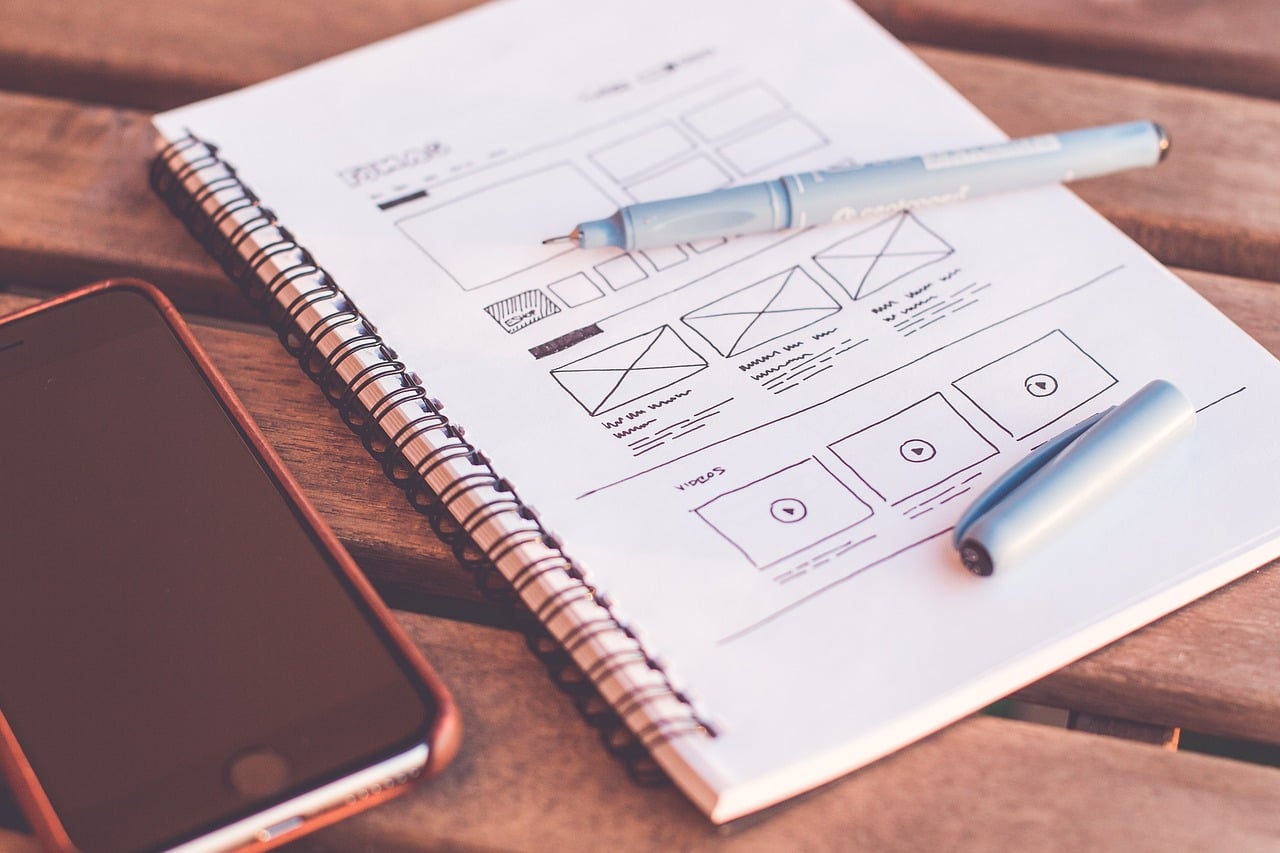
Central NJ Homeowners Weigh the Role of Design Renderings in Outdoor Projects
Ewing Township, United States – March 18, 2026 / Artistic Landscape Features /
Many homeowners approaching a landscape project arrive at the same crossroads early in the process. They have a general idea of what they want, a rough sense of budget, and a list of features they are considering. What they often do not have is a clear picture of how those features will look together, fit the property, or interact with existing conditions. Whether to invest in a professional design plan before committing to full installation is a decision that carries meaningful consequences either way. Artistic Landscape Features has addressed this question in a resource on 3D landscape design and yard planning, offering homeowners a practical framework for thinking through that choice.
Why a Visual Plan Changes How Homeowners Commit to a Project
The question of whether a design rendering is necessary before beginning a landscape project is one that reveals deeper assumptions about how the construction process actually works. Some homeowners assume that a verbal description of what they want, or a rough sketch, is sufficient for a contractor to begin work. Others believe that renderings are a luxury rather than a planning tool, relevant only for large-scale or high-budget projects.
Neither assumption consistently holds in practice. Outdoor construction involves multiple interdependent decisions. Where a patio is positioned affects how water drains across the yard. How a retaining wall is sized and placed affects what can be planted nearby and how foot traffic will move through the space. The placement of a fire pit or outdoor kitchen involves both spatial and practical considerations that are difficult to evaluate without a visual representation of the full layout.
When those decisions are made during construction rather than before it, the result is often a project that requires modification mid-build. Changes at that stage cost more to implement, delay completion timelines, and sometimes require completed work to be redone entirely. A design rendering translates a homeowner’s concept into a documented, reviewed plan before any ground is disturbed. It creates a shared reference point that both the homeowner and the installation team can return to throughout the project, reducing ambiguity at every stage.
How Design Decisions Made Early Affect What Gets Built Later
The value of a design plan extends beyond aesthetics. It functions as a coordination document that aligns expectations between the homeowner and the installation team before physical work begins. When that document does not exist, decisions about materials, dimensions, elevations, and placement relationships are often made informally in the field, under time pressure, without the homeowner’s direct input.
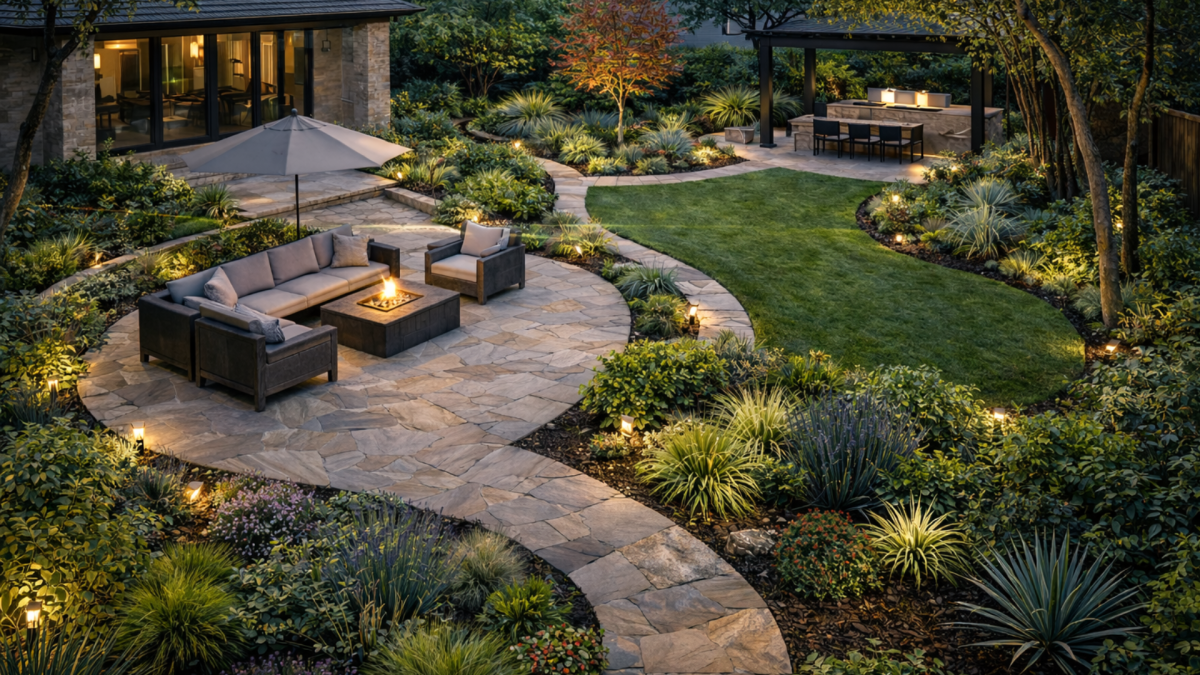
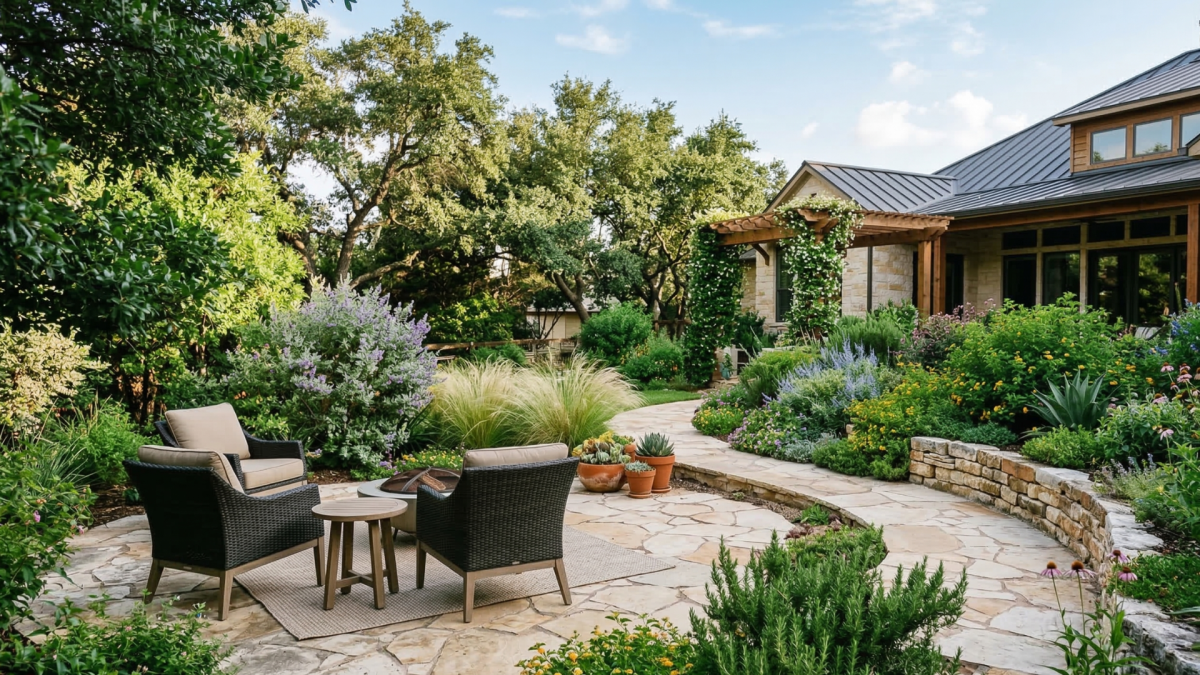
For homeowners considering multiple features at once, such as a paver patio, retaining wall, softscape plantings, and outdoor lighting, the absence of a unified design plan creates compounding risk. Each feature involves independent specifications. Without a rendering that shows how those features relate to one another spatially, conflicts between them may not become apparent until installation is already underway.
Design planning also influences how projects are phased. Homeowners who intend to build in stages over several years benefit from having a complete design established early, even if not all elements will be installed immediately. This approach ensures that first-phase construction is positioned and scaled correctly to accommodate what comes later, rather than requiring adjustments to completed work when additional phases begin.
For properties with slopes, drainage conditions, or existing structures that limit layout options, the design phase is where those constraints are identified, mapped, and resolved. Addressing them through a rendering before construction begins eliminates the ambiguity that leads to mid-project corrections and unplanned cost increases.
What Reviewing a Design Plan Actually Tells a Homeowner
Artistic Landscape Features incorporates design renderings into the planning process as a standard part of how projects are developed, not as an optional add-on. When a homeowner presents a concept for their outdoor space, the process of translating that concept into a detailed visual plan serves multiple practical functions. It creates specificity around dimensions, materials, and placement. It allows the homeowner to evaluate the proposal before committing to construction costs. And it produces a document the installation team can reference and follow throughout the build.
This approach reflects the position that a well-executed outdoor space requires genuine alignment between what the client envisions and what the design formally specifies. Homeowners can learn more about the company’s design process and review completed project examples at alflandscape.com. When that alignment is established before construction begins, the project is more likely to meet expectations and require fewer unplanned decisions during installation.
Property Factors That Shape What a Design Plan Needs to Address
Properties across central New Jersey and eastern Pennsylvania present a range of site conditions that affect what a design plan must account for. Lot size, existing hardscape, mature trees, grade changes, and proximity to neighboring structures all influence layout options and material choices. In communities like Hopewell, Pennington, and Yardley, where properties often include established landscaping and varied terrain, the design phase provides a direct opportunity to evaluate how new features will interact with what is already present on the site. Homeowners can review the full scope of what this planning process involves through Artistic Landscape Features’ landscape design and installation services.
How the Company Operates Across Central New Jersey
Artistic Landscape Features serves homeowners across multiple communities in central New Jersey and eastern Pennsylvania, including Princeton, Tinton Falls, Robbinsville, Pennington, Hopewell, and Yardley. The company’s work across this region reflects a consistent focus on communication, documentation, and project transparency. Homeowners preparing for an outdoor project can find background on the company’s service area and work history through Artistic Landscape Features’ regional business profile. Clients receive written plans and visual references at each stage of a project, from initial design consultation through final installation, with direct access to the team throughout the process.
What Goes Wrong When the Design Phase Is Treated as Optional
Outdoor construction projects that proceed without a documented design plan are more likely to encounter conflicts between features, require mid-build modifications, and produce outcomes that differ from what the homeowner originally intended. These are not minor inconveniences. They translate into additional cost, extended timelines, and in some cases, completed elements that need to be adjusted or rebuilt. The conditions that lead to those outcomes are almost always established, or prevented, before a single material is ordered or a single measurement is staked. Treating the design phase as a preliminary formality rather than a foundational planning step is how those problems begin. Investing in a design rendering before construction starts is how they are avoided.
Homeowners with questions about the design planning process can reach Artistic Landscape Features at (609) 798-2364.

Contact Information:
Artistic Landscape Features
78 Federal City Rd
Ewing Township, NJ 08638
United States
Contact Artistic Landscape Features
(609) 798-2364
https://alflandscape.com/


Original Source: https://alflandscape.com/media-room/#/media-room