
Electricians in Cerritos, CA, share some common electrical risks in homes to help prevent electrical hazards.
Cerritos, United States – July 22, 2026 / System Wide Services /
Address Electrical Risks to Keep Homes and Families Safe
Every home depends on its electrical system to power daily life, but hidden hazards within that system can put families and property at serious risk. From aging or damaged wiring behind the walls to bad habits with extension cords and power strips, electrical hazards are more common than many homeowners realize. The good news is that most of these risks can be identified and corrected before they cause harm. This post covers some of the most common electrical risks in homes and how to address them.
Outdated or Damaged Wiring
Faulty electrical wiring is one of the leading causes of house fires, making it one of the most critical electrical risks for homeowners to be aware of. Over time, wiring can deteriorate due to age, pest damage, or simply becoming outdated for modern electrical demands. Homes built in the 1960s and 70s may still have aluminum wiring, which is much more likely to have connections that pose a fire hazard.
Several signs can indicate that a home’s electrical wiring may be outdated or faulty. Frequent circuit breaker trips, a burning smell near outlets or switches, discolored or warm outlet covers, and lights that flicker without explanation are all warning signs that should not be ignored. If any of these signs are present, scheduling a professional electrical inspection is the safest course of action to determine whether the wiring needs repair or replacement.
Overloaded Circuits
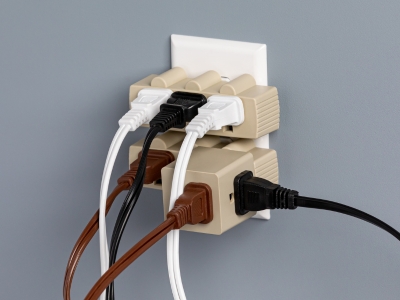 An overloaded circuit occurs when more electrical demand is placed on a circuit than it is designed to handle. This is a common issue in older homes that may not have enough electrical circuits to support the appliances, electronics, and devices used in a modern household. When a circuit is overloaded, the wiring can overheat, which poses a fire risk.
Signs of an overloaded circuit include circuit breakers that trip frequently, buzzing from outlets or switches, a burning smell near the electrical panel, and outlets or switch plates that feel warm to the touch. To reduce the risk of overloading, homeowners should avoid plugging too many high-wattage devices into the same circuit and have an electrician evaluate whether the home’s electrical panel needs to be upgraded to safely meet the demand.
Incorrect Use of Extension Cords and Power Strips
Extension cords and power strips are convenient, but misusing them is one of the most common electrical safety hazards in homes. Many homeowners rely on extension cords as permanent solutions for reaching distant outlets, but these cords are designed for temporary use only. When used improperly, they can overheat and become a serious fire hazard.
Common misuses include using damaged or frayed extension cords, running cords under rugs or carpets where heat can build up undetected, pinching cords under furniture or in doorways, and daisy-chaining power strips by plugging one strip into another. Daisy-chaining is particularly dangerous because it can easily exceed the circuit’s electrical capacity, increasing the risk of overheating and electrical fires. If a home requires more outlets than are currently available, having a licensed electrician install additional outlets is a much safer long-term solution than relying on extension cords and power strips.
Lack of GFCI Protection
 A GFCI outlet, or ground-fault circuit-interrupter outlet, is a specialized electrical outlet designed to protect against electric shock by instantly shutting off power when it detects an imbalance in the electrical current. Without GFCI protection in the appropriate locations, homeowners and their families face an increased risk of electrical shock and potential electrical fires.
GFCI outlets are required by code in areas of the home where water is present, as water significantly increases the risk of electrocution. These locations include bathrooms, kitchens, laundry rooms, garages, and outdoor spaces. Homeowners should check that GFCI outlets are properly installed in all required areas and functioning correctly by periodically pressing the test and reset buttons. If a home is missing GFCI protection in any of these locations, having a professional electrician address the issue is an important step toward improving electrical safety.
Exposed Outlets
Exposed electrical outlets are a major hazard in homes with young children or pets. An uncovered outlet poses a risk of electrocution if a child inserts a toy or another small object into the electrical socket. Pets can also be at risk if they chew on cords plugged into exposed outlets.
One of the most effective ways to address this risk is by installing tamper-resistant outlets, also known as childproof outlets. Tamper-resistant outlets feature a built-in shutter mechanism that only opens when equal pressure is applied simultaneously to both sides, such as when a plug is inserted. This prevents children from pushing objects into a single slot and greatly reduces the risk of accidental electrocution. For families with young children or pets, upgrading to tamper-resistant outlets throughout the home is a simple and highly effective safety improvement.
About System Wide Services
System Wide Services is a plumbing, electrical, and handyman company serving Cerritos, Long Beach, and the surrounding areas. They offer straightforward pricing, on-time service, and a 100% service guarantee. Call for electrical services in Cerritos, CA.


Contact Information:
System Wide Services
20032 State Rd
Cerritos, CA 90703
United States
Van Castaneda


